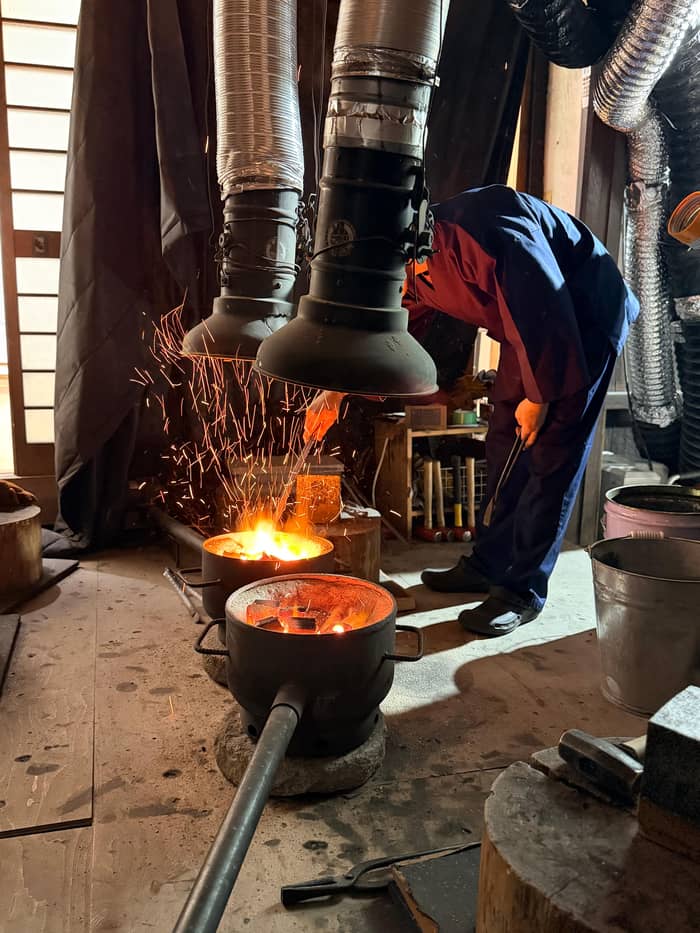
Knife city
Sakai makers tour
Walking tour from Osaka
- Time3.5 hours
- From$64
- GroupLimited to 10 people
Explore the stops
Brief answer
Famous Japanese knife makers cluster in Sakai, Seki, Echizen, Tosa and Sanjo, and Sakai, Sanjo and Seki are named as the three great knife-producing regions.
Where the makers are
Browse 7 stops
Pick a route and tap a pin or a stop: you get its note and a Google Maps link.
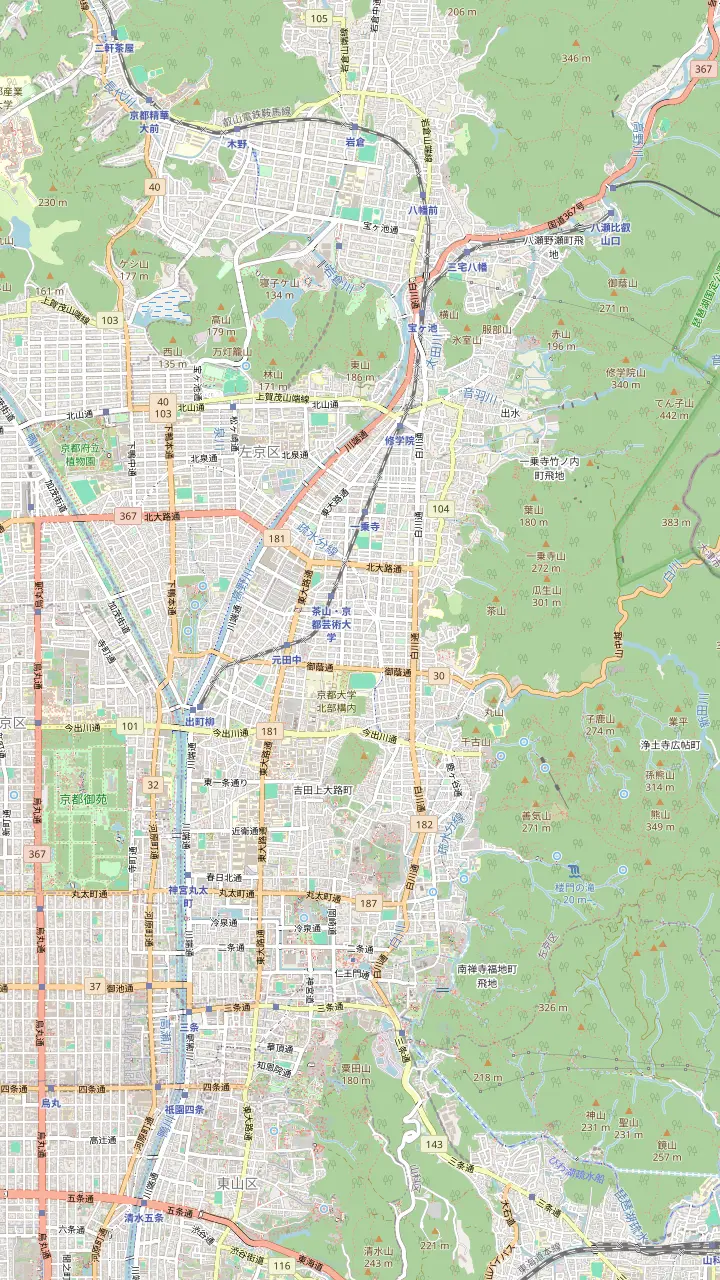
Aritsugu, a knife shop dating back to 1560, stands west of Gokomachi-dori on Nishikikoji-dori.
Google MapsThe Kyoto listing puts its meeting place a one-minute walk from the Yase-Hieizan exit of the Eizan Electric Railway.
Google Maps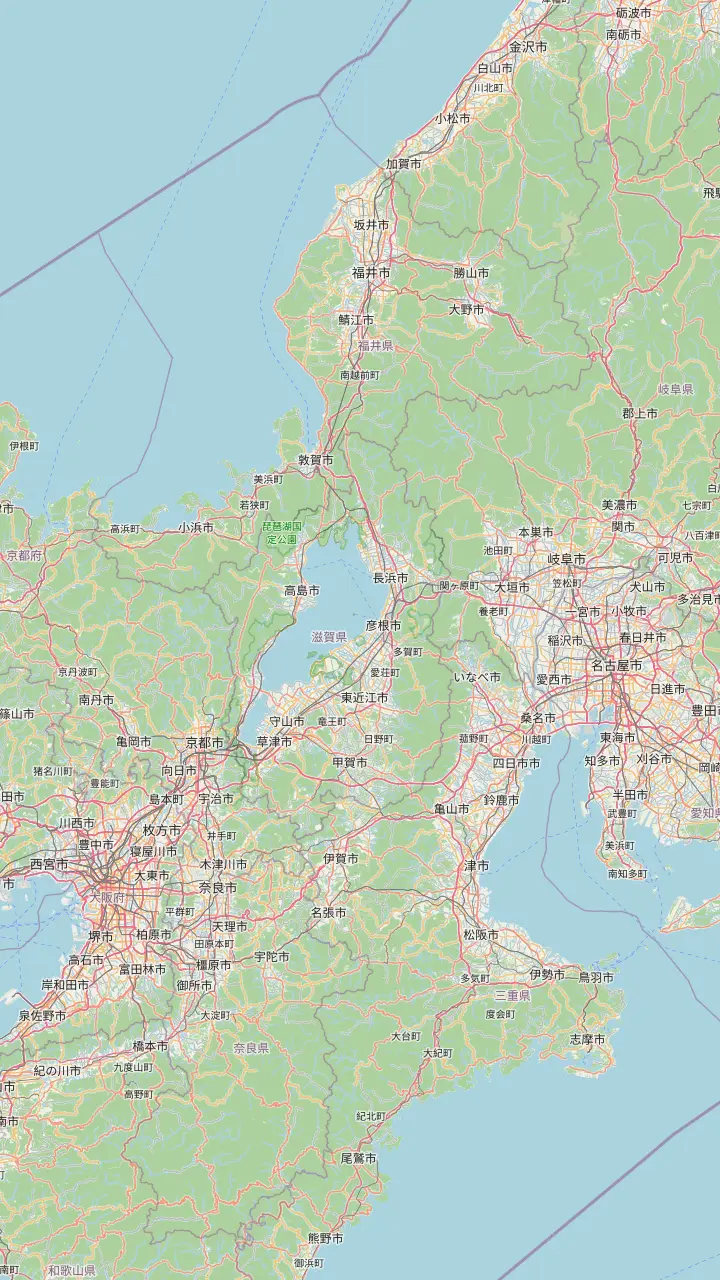
The Sakai Traditional Crafts Museum is closed on 3rd Tuesdays and from December 29 to January 3.
Google MapsYou can look inside the museum and factory for free; classes need advance reservation.
Google MapsA Seki swordsmith demonstrates sword forging once a month on an open day.
Google Maps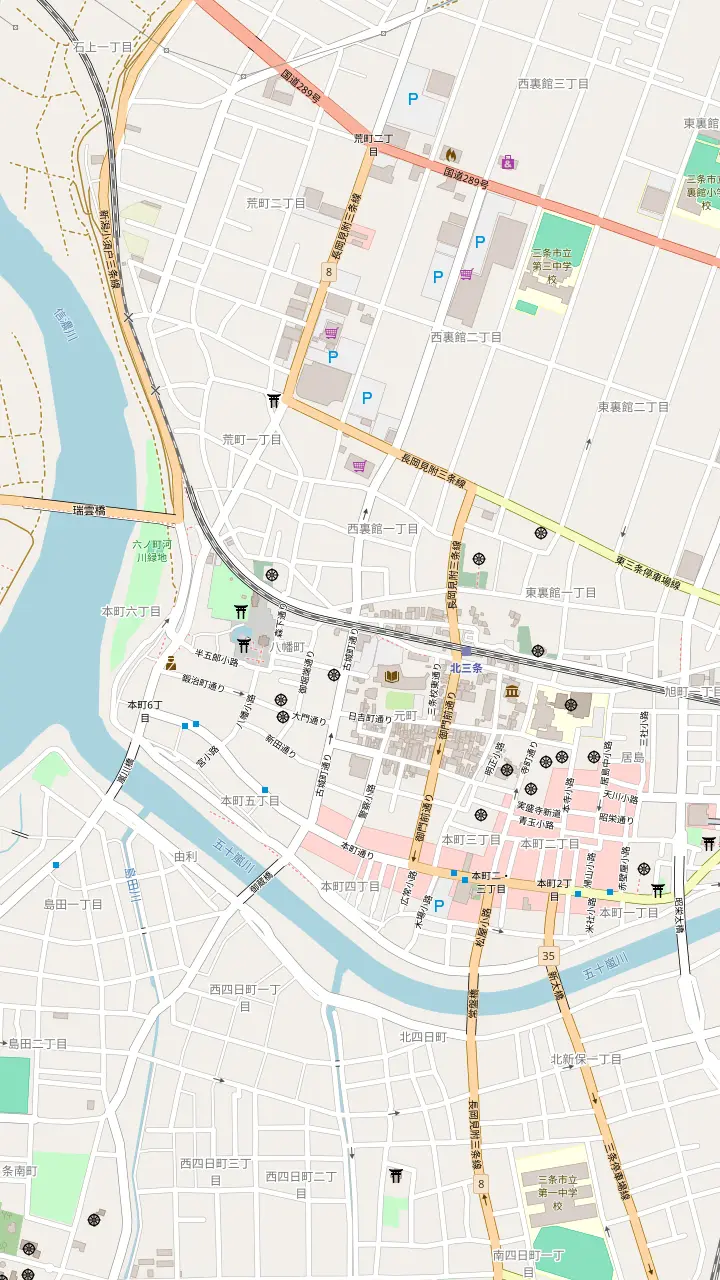
The dojo stands at 11-53 Motomachi in Sanjo, Niigata.
Google Maps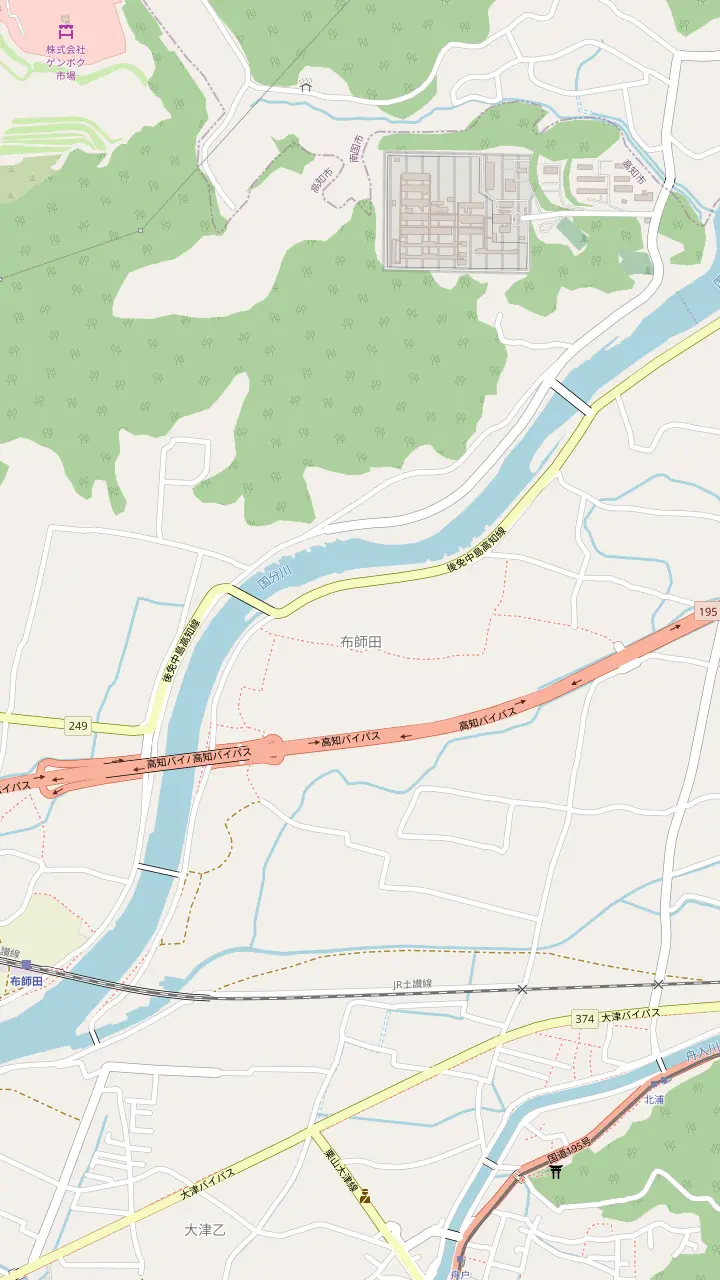
The center for Tosa forged blades is at 3992 Nunoshida, Kochi.
Google MapsMap data by © OpenStreetMap contributors
Official craft sources rank places, not brands. This guide walks the knife towns of Japan, from Sakai and Seki to Echizen, Tosa and Sanjo, shows where Kyoto fits in, and gives you the questions that tell a good maker from a good label.
Editorial team, knifemakingkyoto.com · Updated November 6, 2026 · 7 min reading time
Basics
Anyone asking what the best brand of Japanese knife is will find that the official sources answer a different question. They describe crafts and places. Sakai is one of the three great knife-producing regions in Japan, the other two being Sanjo City in Niigata and Seki City in Gifu.1 Sakai's own tourism bureau uses almost the same wording: one of the three great knife and bladed tool producing regions.5
That is a better map than a brand list. Japan's national craft listings also name forged-blade crafts at Echizen, in Fukui,6 at Tosa, in Kochi,7 at Sanjo, in Niigata,8 at Banshu Miki around Miki City, Hyogo,9 and at Shinshu around Nagano.10 Each place has its own method, its own typical products and its own reputation, and a maker's reputation is tied to the place where the work is done.
Reading a maker's name therefore starts with a place. The sources do not name a single winner. They describe different strengths: layered kitchen knives in Sakai, swords turned cutlery in Seki, double-layered blades in Echizen, free-forged tools in Tosa and hand-hammered knives in Sanjo. The right choice depends on what you cook and how you plan to look after the blade.
The regions side by side
| Region | Prefecture | Known for |
|---|---|---|
| Sakai | Osaka24 | Single-edged kitchen knives, divided trades20,23 |
| Seki | Gifu28 | Swords that became cutlery29 |
| Echizen | Fukui6 | Double layering of blade plates30 |
| Tosa | Kochi7 | Free forging by one artisan31,32 |
| Sanjo | Niigata8 | Hand-hammered blades, SK or Yasuki steel33,34 |
| Banshu Miki | Hyogo9 | A wide variety, from knives to construction tools35 |
| Shinshu | Nagano10 | Forged blades around Nagano10 |
Regions as named in the national craft listings and the official tourism pages.1
Sakai's knife story starts with tobacco. By the Tensho era, from 1573 to 1592, specialized knives for finely cutting tobacco leaves were being produced in Sakai.15 During the Edo period the Tokugawa shogunate authorized the Sakai Kiwame mark, which helped spread the reputation of Sakai blades.17 As tobacco processing was mechanized, craftspeople applied the same forging and sharpening skills to kitchen knives and other blades.18
Sakai's tourism bureau says the knife industry has a history of more than 600 years, beginning when knife blacksmiths descended from swordsmiths moved from Kaga Province to Sakai in the 15th century.19,14 The single-edged style that remains characteristic of Sakai knives was born there in the Genroku era, at the end of the 17th century.20 On market share, official pages give different figures: the Embassy of Japan in Singapore says Sakai knives are the blade of choice for more than 90% of professional chefs in Japan,21 while Sakai's tourism bureau cites a domestic share of 98% among professional chefs.22
The industry is divided by trade. Sakai City names smith forging, sharpening and honing, and hafting as separate workshops.23 You can see the whole story in one place: the Sakai Traditional Crafts Museum stands at 1-1-30 Zaimokuchonishi in Sakai, and is closed on 3rd Tuesdays and from December 29 to January 3.24 Overseas visitors have praised the Sakai Knife Museum CUT as the best place to learn about Sakai knives.25
Seki, in Gifu, is known as the City of Swords and has been a major sword-making center since the Kamakura period.28 The national tourism organization says the swordsmith Kaneshige moved to the Seki area sometime in the 14th century and, with Kaneuji, founded the Mino sword-making tradition.12 The Seki museum displays swords by Magoroku Kanemoto and other swordsmiths of ancient times.43
The change to cutlery came with the modern era. In the early Meiji period samurai were banned from carrying swords and the market collapsed, and Seki artisans diversified into knives, scissors, cutlery and other tools, for which Seki is still renowned.29 The Seki Traditional Swordsmith Museum describes itself as preserving 700 years of Seki swordsmiths skills.26
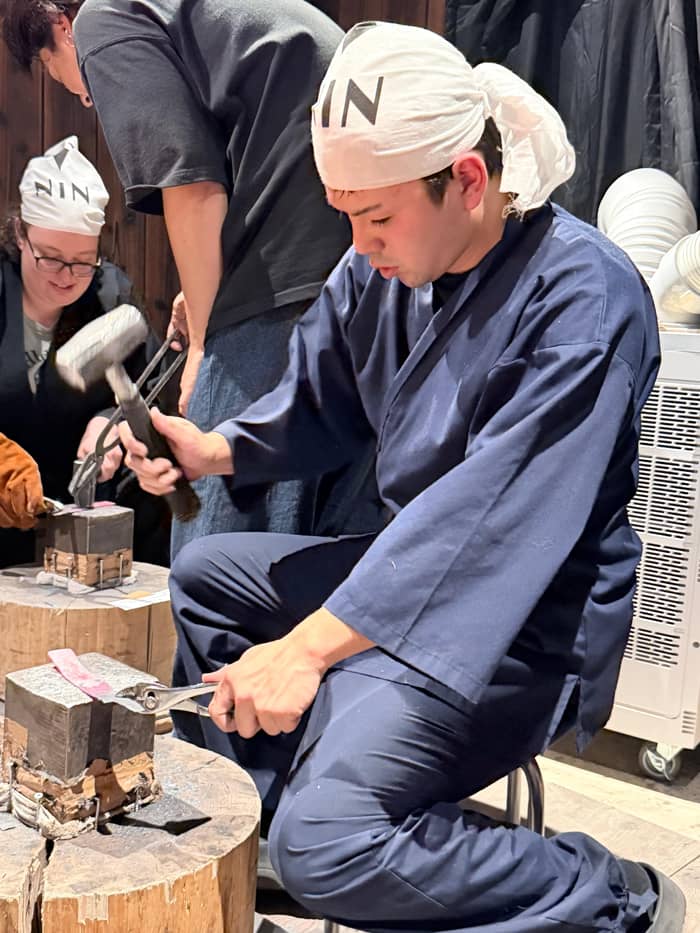
Seki is also the easiest of the knife towns to enjoy as a spectator. Once a month, on an open day, a Seki swordsmith demonstrates sword forging at the museum.36 January 2 is the day of the first forging of the year, accompanied by solemn rituals and festivities.37 The Gifu Cutlery Hall shop sells every kind of Seki blade, from nail clippers to replica swords, kitchen knives and scissors.44 The museum's second-floor exhibition room also shows knives by contemporary makers alongside special exhibitions.38
Choose your angle
Each row starts from what you want to see and names the place
If I want kitchen knives and their history
Sakai
Sakai made tobacco knives, then kitchen knives, and its trades are divided by task.18,23
If I want swords and spectacle
Seki
The museum holds a monthly forging demonstration.36
If I want a free factory visit
Echizen
The Takefu village lets you look inside its museum and factory for free.39
If I want blades made start to finish by an artisan
Tosa
Tosa blades are made by one artisan for the entire process.32
If I am staying in Kyoto
Nishiki Market
The Aritsugu shop dates back to 1560.42
Visit from Kyoto
Knife city
Walking tour from Osaka
Sword city
Swordsmith demonstrations
Free to look
Echizen cooperative
See this choiceEchizen, around the city of that name in Fukui, is where Kyoto enters the story. The Tokyo Metropolitan Government's craft pages say forging there began when a swordsmith from Kyoto came to the area in search of raw materials at the start of the Muromachi period and made sickles for local farmers.13 The craft sheet puts the origin in the first half of the 14th century, with the Kyoto swordsmith Chiyozuru Kuniyasu relocating to the Echizen area.4
Echizen's method is double layering, in which two blade plates are layered and hammer-beaten on both sides.30 Its national recognition came early: in 1980 it was the first production center for forged blades to receive the nationally recognized Traditional Craft Product accolade.3 Craftspeople there keep traditional hand-finishing techniques and make mainly knives, sickles, billhooks and trimming shears.49
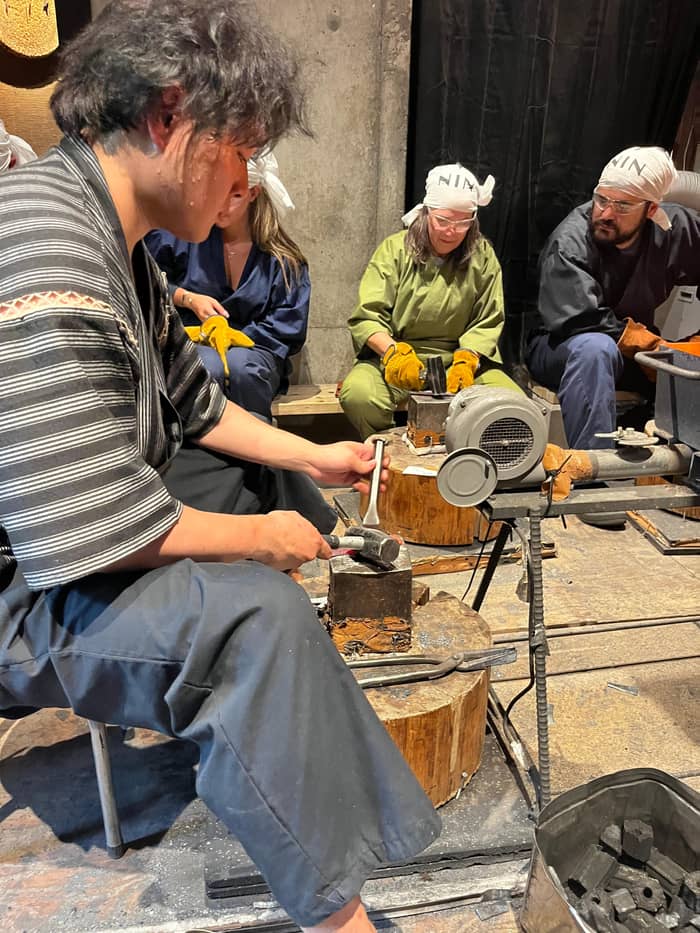
The Takefu Knife Village is the place to see it. It was completed in May 1993 as a cooperative open factory and direct sales store for 10 companies.41 Its own site says its artisans have made Echizen knives with traditional methods for 700 years.27 You can look inside the museum and factory for free, and the experience programs need advance reservation.39,40
How the knife towns began
1306
Sword makers arrive from Yamato province.11
14th century
Kaneshige moves to the Seki area and founds the Mino tradition.12
1392 to 1573
A Kyoto swordsmith makes sickles for local farmers.13
15th century
Knife blacksmiths descended from swordsmiths settle in Sakai.14
1573 to 1592
Specialized tobacco knives are produced in Sakai.15
1661
About twenty full-time blacksmiths are recorded in the castle town.16
Tosa, the old name for Kochi prefecture, makes hammer-forged blades in the eastern to central part of the prefecture.7 Its craft is distinctive for free-forging, in which shapes are formed by hammering and flattening hot metal.31 The blades evolved from practical tools used in forestry and agriculture, and are renowned for sharpness, durability and low maintenance.50,51 The main product range includes kitchen knives, sickles, hatchets, axes and hoes.52
Tosa's history is documented. In 1306 a group of artisans of the Gorozaemon Yoshimitsu sword-making style moved to Tosa from Yamato province.11 Historical documents from 1590 record 399 blacksmiths in Tosa, and the full-scale development of the forged blades began in 1621.53,54 Unlike the division of labor common elsewhere, Tosa forged blades are made by one artisan for the entire production process.32
Sanjo, in Niigata, makes hammer-forged blades by hand in contrast to modern blades made by stamp pressing.8,33 Documents say there were already about 20 full-time blacksmiths in the castle town in 1661.16 For blade edges, carbon tool steel (SK) or Yasuki steel are most commonly used, with soft iron for the body of everyday kitchen knives.34 The Sanjo Kaji Dojo stands at 11-53 Motomachi in Sanjo.46
Video
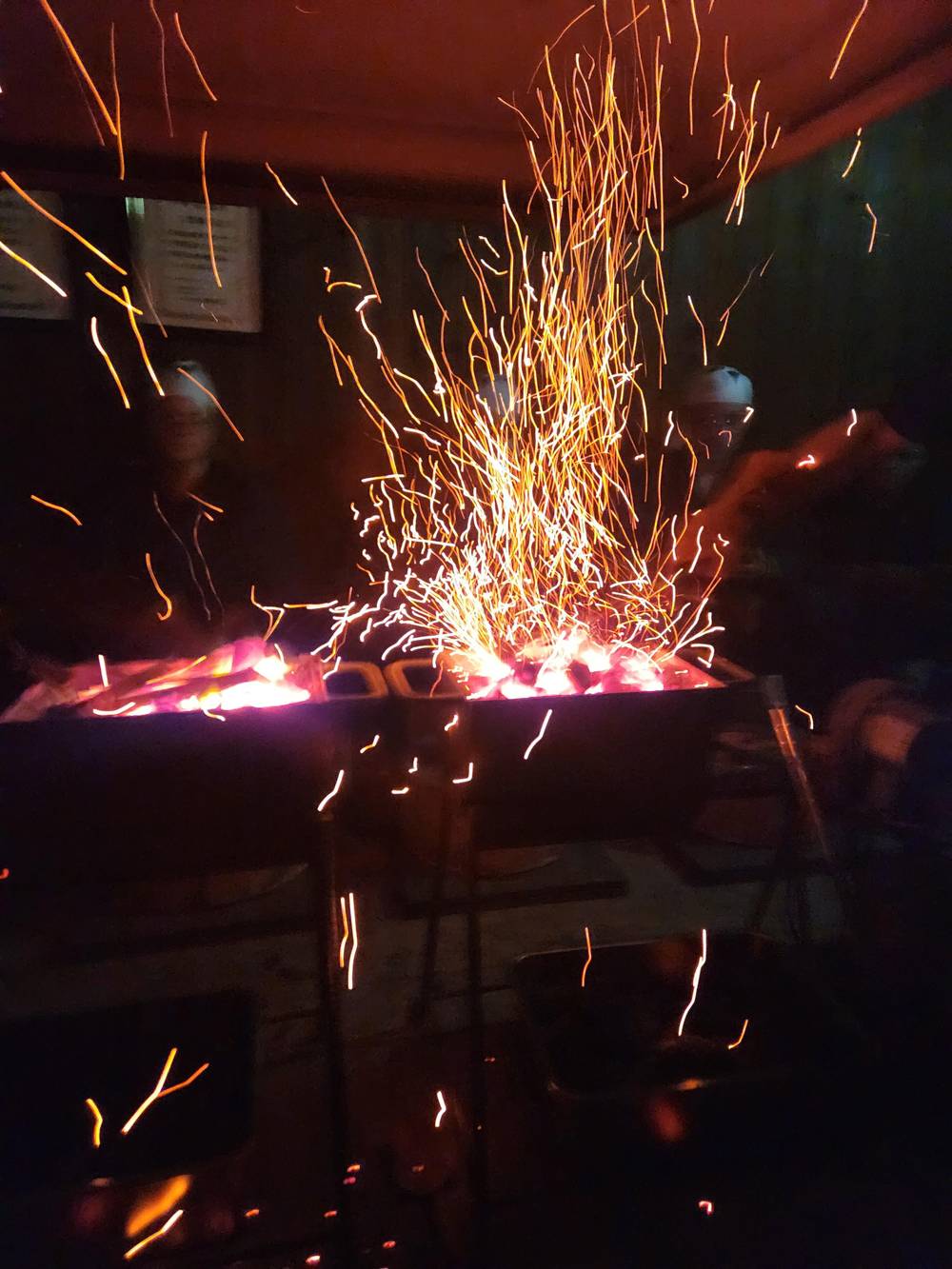
Paolo fromTOKYO on YouTube · The video waits until you tap play to load.
Artisans diversified into knives, scissors, cutlery, and other tools, for which Seki is still renowned.
Plan a knife pilgrimage
Kyoto is a market for knives rather than a national knife region, and its classic address is Aritsugu in Nishiki Market. The shop's listing on the market's site says it has a long history dating back to 1560, when it was founded as Swordsmith Fujiwara Aritsugu.42 It stands west of Gokomachi-dori on Nishikikoji-dori in Nakagyo Ward.45 Its stock is a wide variety of knives, pots and other cooking utensils handmade by skilled craftspeople.55
The shop's message is one every buyer should hear: it takes pride in repairs and after-sales services, and keeps knives in long use through repairs such as sharpening.48 A famous Japanese knife maker, in other words, is one who stands behind the blade after the sale. If you buy a knife in Kyoto, ask what repair and sharpening the maker offers before you ask about the steel.
Kyoto is also a place to make a knife. The listing behind this site places its meeting point in the Yase district of Sakyo Ward, a one-minute walk from the Yase-Hieizan exit of the Eizan Electric Railway. The session lasts 3 hours and starts from $152. Making a blade there gives you a sense of what the makers of Sakai or Echizen do, even if your own output is a single knife.
Where are the best Japanese knives made? No official source names a winner, so judge on evidence. Ask whether the maker forges the blade or stamps it, since Sanjo's sheet contrasts hand-hammering with stamp pressing.33 Ask who does each stage, because Sakai divides forging, sharpening and handle fitting among specialists, while Tosa has one artisan make the whole blade.56,32 Ask whether the length and thickness can be specified, as in Sakai, where blades are made to the customer's measurements within several millimeters.57
Ask about after-sales care. Sakai's tourism bureau says frequent sharpening of hand-forged blades keeps a high-quality cutting edge, and that a knife can be used almost indefinitely as long as a cutting edge remains.58,59 A maker who offers sharpening and repair, like the Nishiki shop, is telling you the knife is meant to last.
Finally, trust your own eyes. A forge that welcomes visitors, as the Takefu village does with its free factory view, or a museum that demonstrates forging, as Seki does, shows its craft in public.39,36 Reviews, brand names and rankings are secondhand; a blade, a handle and a maker who can explain both are the real evidence. That is the nearest thing the sources offer to a best brand.
FAQ
The Embassy of Japan in Singapore names Sakai, Sanjo in Niigata and Seki in Gifu.1
They describe crafts, methods and places, not brands.2
Aritsugu in Nishiki Market has a history dating back to 1560.42
Artisans diversified into knives, scissors and cutlery after swords were banned.29
Tosa forged blades are made by one artisan for the entire production process.32
Sources
Further reading
Wondering which Kyoto knife class suits you? A real person answers here.