Buy
A Nishiki Market shop
Old swordsmith lineage
- AritsuguDates to 1560
- ClosingMany shops close Wednesday
- ServiceRepairs such as sharpening
Cost for your group
Brief answer
To buy knives in Kyoto, start at Nishiki Market, where Aritsugu has sold knives, pots and utensils since 1560, and avoid Wednesdays when many shops close.
The tax-free refund
Side-by-side: 4 options
Choose how many are coming and see the from price for each way to make a blade.
≈
View≈
View≈
View≈
ViewStarting prices as on the booking platform, converted at the ECB reference rate. You see the exact price at booking.
Where to buy knives in Kyoto starts at Nishiki Market and an old swordsmith's shop. Here is how to shop there, claim the tax-free refund, engrave a name, carry the blade home and decide whether to forge your own.
Editorial team, knifemakingkyoto.com · Updated November 6, 2026 · 8 min reading time
Basics
A first answer to where to buy knives in Kyoto is Nishiki Market, and the market's own history shows why it suits a kitchen purchase. Its official account dates the market to 1615, when the shogunate recognized fish wholesalers in Kyoto.8 Nishiki Koji, the street itself, runs about 390 meters from east to west, 3.3 to 5 meters wide, with stores on both sides.1 The Kyoto City Tourism Association describes the path as 400 meters from Teramachi to Takakura, so expect a figure near that either way.9
A roof helps with the Kyoto weather. The market's arcade roof, in red, yellow and green, lets the market be enjoyed even on rainy days.10 That matters when a trip to a forge or a temple is rained off and you want a dry place to look at knives. Kyoto's rain is heaviest in June, July and September on the NOAA station record for the city, so a covered street is a sensible plan B for a day when the forge or the temples are rained off and you still want to spend your afternoon on something useful.11,11,11
Shop by shop, the market is not a single business. Nishiki Market has no closing day as a whole, because each shop sets its own, and many shops are closed on Wednesdays.3 The market's shop pages add that business hours and regular holidays may have changed, so check the shop's own page before you walk across town.12 If a knife is your main purchase, treat Wednesday as a day to avoid, and try a weekday morning for room to browse.
Three ways to a knife
| Route | What you get | What to watch | Source |
|---|---|---|---|
| Nishiki Market shop | Knives, pots and utensils by skilled craftspeople2 | Many shops close on Wednesdays3 | Nishiki Market |
| Maker's own counter | Engraving on purchased products, some excluded18 | Duty free from 5,000 yen19 | Masamoto Sohonten |
| Forging class | A knife of about 13 to 15 cm you make yourself | From $152 | Our listing |
| 1-hour workshop | Shape, assemble, sharpen and polish | From $61 | Gion listing |
Shop rows come from the shops' own pages and the Nishiki Market listing; class rows are from prices from each listing.2
A knife shop that the market's own listing highlights is Aritsugu. The market's listing says the shop's history dates to 1560, when it began as the Swordsmith Fujiwara Aritsugu, and that it sells knives, pots and cooking utensils made by hand by skilled craftspeople.2 It adds that Aritsugu serves top Kyoto chefs and ordinary households alike.2 The sword connection is not decoration. It is the same lineage that Japan's tourism board describes when it calls cutlery a direct descendant of sword making.15
The shop says it aims for long-lasting use of its knives through repairs such as sharpening.16 That is useful to a buyer for a practical reason: a knife bought in Kyoto can come back to Kyoto for a fresh edge, and a shop that talks about repairs expects to see its knives again. The listing places Aritsugu west of Gokomachi-dori on Nishikikoji-dori in Nakagyo-ku, with Wednesday as its regular holiday.17
Do not expect a list of shelf prices here. The pages used for this guide give no knife prices for Aritsugu, and a price we cannot source would be a guess. Go in with a budget, ask the staff to explain the steel and the care of each blade, and compare what you hear with the makers' own advice on this site. A shop that explains its knives patiently is one that expects you to look after them.
The refund trail
At the shop
Purchases must total JPY 5,000 or more before tax per day at the same store.5
At the till
Since November 1, 2026 you pay the tax-inclusive price.4
On the trip
Bring your passport and every item you bought with you.13
Within 90 days
Present your passport at a tax-free procedure terminal on departure.14
Before check-in
You must have the goods with you, so do the terminal before you check baggage.13
After
An amount equal to the consumption tax is refunded after export is confirmed.4
Nishiki Market asks visitors not to walk while eating, and to enjoy food in front of the store where it was bought or inside it.20 The Kyoto City Tourism Association repeats the point and calls eating at the store of purchase, or taking the food home, one of the cardinal rules of the market.21 This applies to snacks rather than knives, but a bag of food in one hand and a sharp new knife in the other is a poor combination on a narrow, busy street.
Japan's national tourism organization says most shops will not haggle about prices, so expect to pay the marked price, although in smaller private shops you may occasionally find some room.22 With knives that is not a place to push. With knives, the pleasant way to save money is to ask about a simpler model, not to ask for a discount on the knife you want, since a firm price is the usual rule in these shops.
The same source says most shops in tourist areas offer a free or reasonably priced gift-wrapping service.23 If a knife is a present, say so at the counter. Ask also whether the shop can pack the knife for flight, with a sheath or a box, because you will need it protected in a hold bag. A shop in a tourist street gets this question often and can usually handle it quickly, so the question costs you nothing and saves you a scramble at the airport later in your trip.
A short chooser
Start with what the knife is for: a gift, a daily tool or a memory of the trip.
If I want a daily tool from a respected shop
A Nishiki Market shop
Aritsugu serves top Kyoto chefs and ordinary households alike.2
If I want a gift with a name on it
Ask about engraving
A maker such as Masamoto Sohonten engraves names, with some exceptions.18
If I want to make something with my hands
Book the forging class
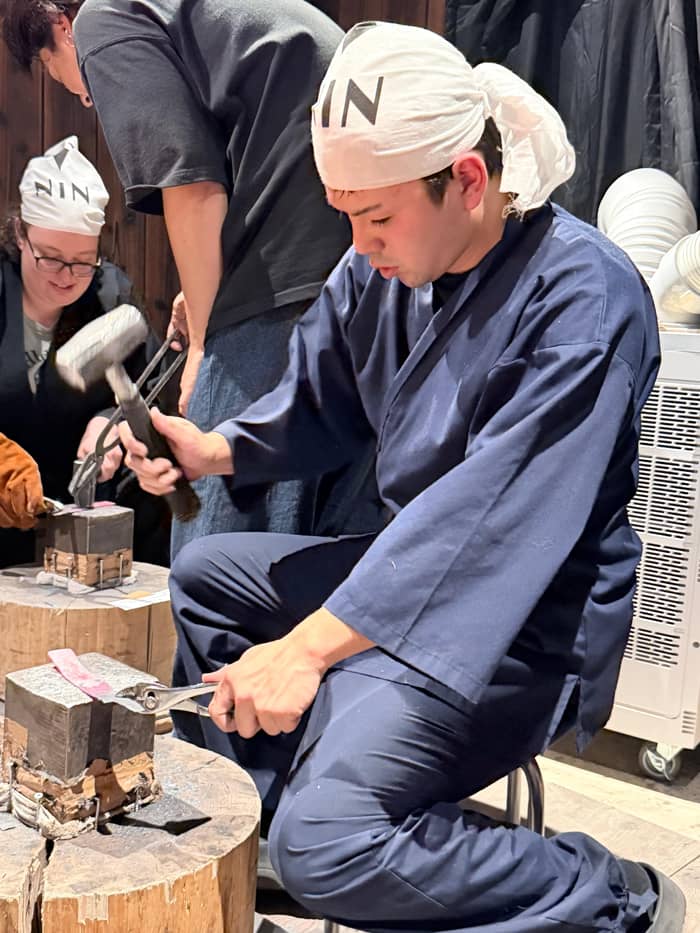
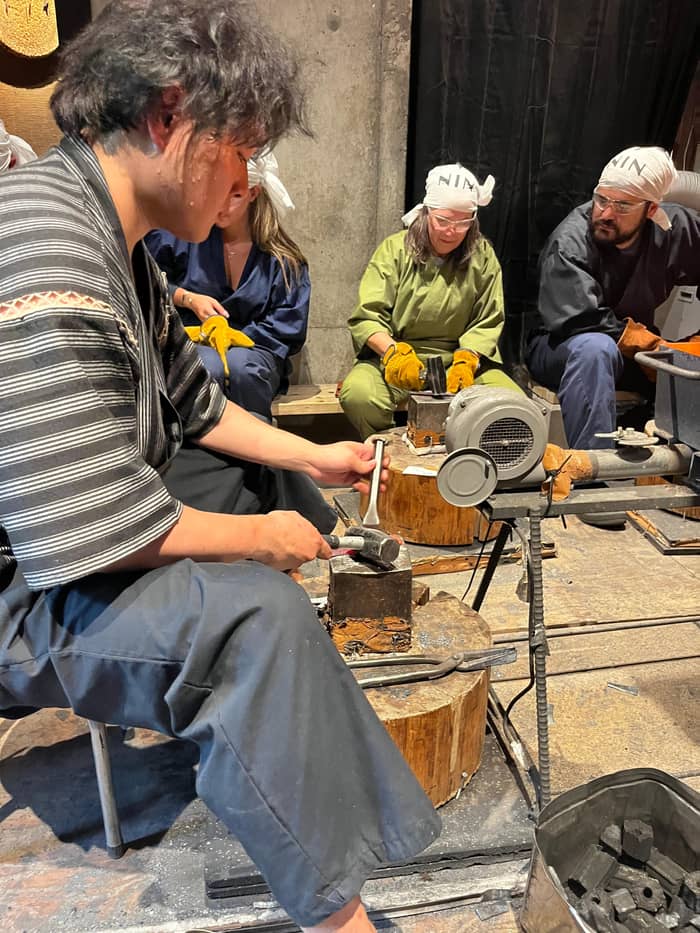
It runs about 3 hours and you keep the finished knife.
If I have an hour between sights
The Gion workshop
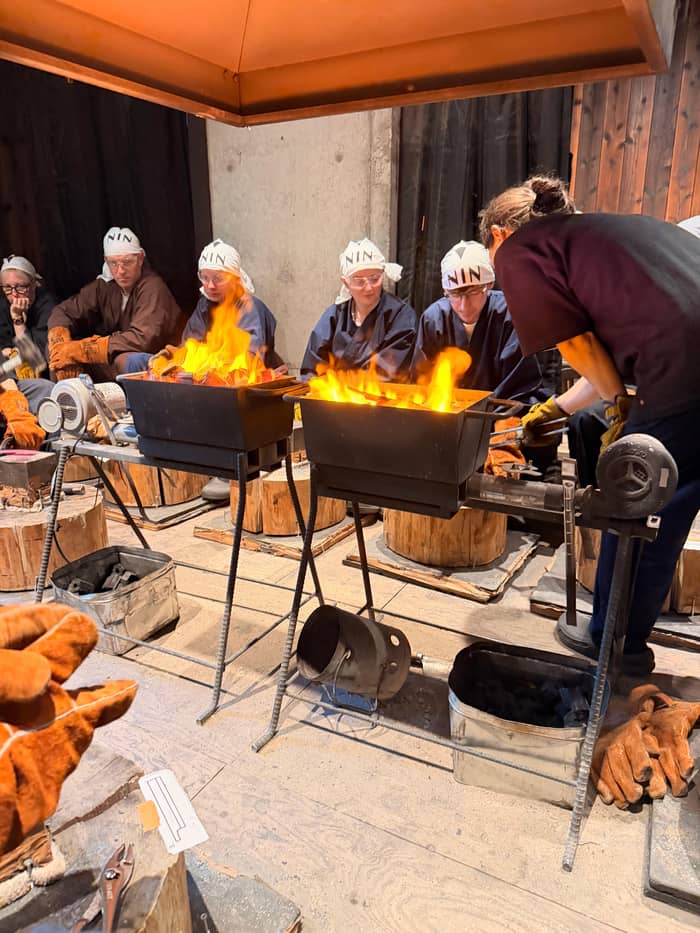
It lasts 1 hour and covers shaping and polishing.
If I am flying home tonight
Buy early, claim the refund before check-in
The terminal needs the goods in your hands, so it cannot follow check-in.13
Where a knife can come from
Buy
Old swordsmith lineage
Make
Shape and polish in 1 hour
Forge
Our listing
A common question is how much a good Japanese knife costs, and the honest answer is that it depends on the steel, the maker and the shop. This guide has no verified shelf price for a Kyoto shop, so it gives none. What the sources do supply is the shape of the purchase. Masamoto Sohonten, another knife maker, offers engraving and duty free sales, and its duty free minimum is 5,000 yen, the same level as the national scheme.19,5
A different way to price a good knife is to price making one. The forging class we link to starts from $152, and you take home a finished knife of about 13 to 15 cm. A 1-hour workshop in Gion starts from $61 and covers shaping, assembling, sharpening and polishing. These are class fees, not shop prices, so compare them with a shop's figure only as a guide to what an hour or an afternoon is worth.
Remember that cost does not end at the till. A knife needs a stone, a board and a place to live, and good care pays back the price over the years.33 Shun says consistent maintenance prevents corrosion, chipping and premature wear, and that a good Japanese knife can then perform reliably for many years.34 Budget a little for a stone or a class, and the total looks more like an investment than an impulse.
Map
Open the Kyoto panel for the market and the forge, the central panel for Sakai, Echizen and Seki, and the last two for Sanjo and Tosa.
Browse 7 stops
Pick a route and tap a pin or a stop: you get its note and a Google Maps link.
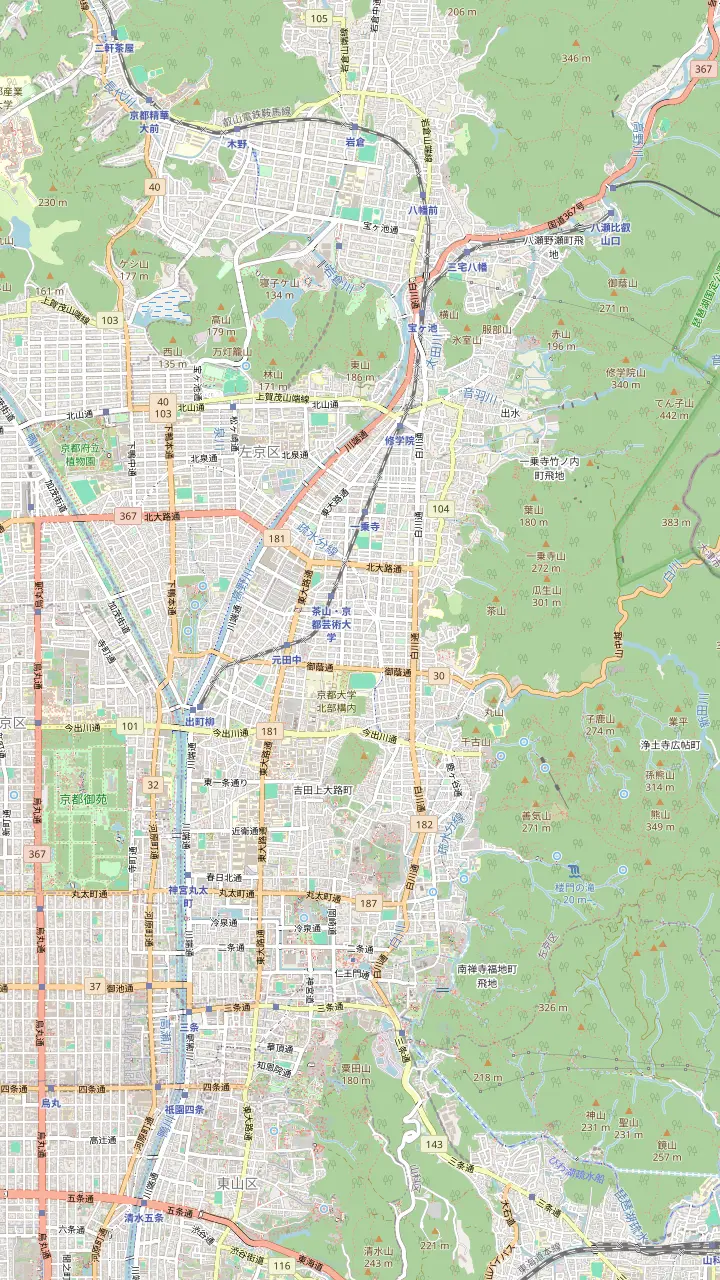
Aritsugu, a knife shop dating back to 1560, stands west of Gokomachi-dori on Nishikikoji-dori.
Google MapsThe Kyoto listing puts its meeting place a one-minute walk from the Yase-Hieizan exit of the Eizan Electric Railway.
Google Maps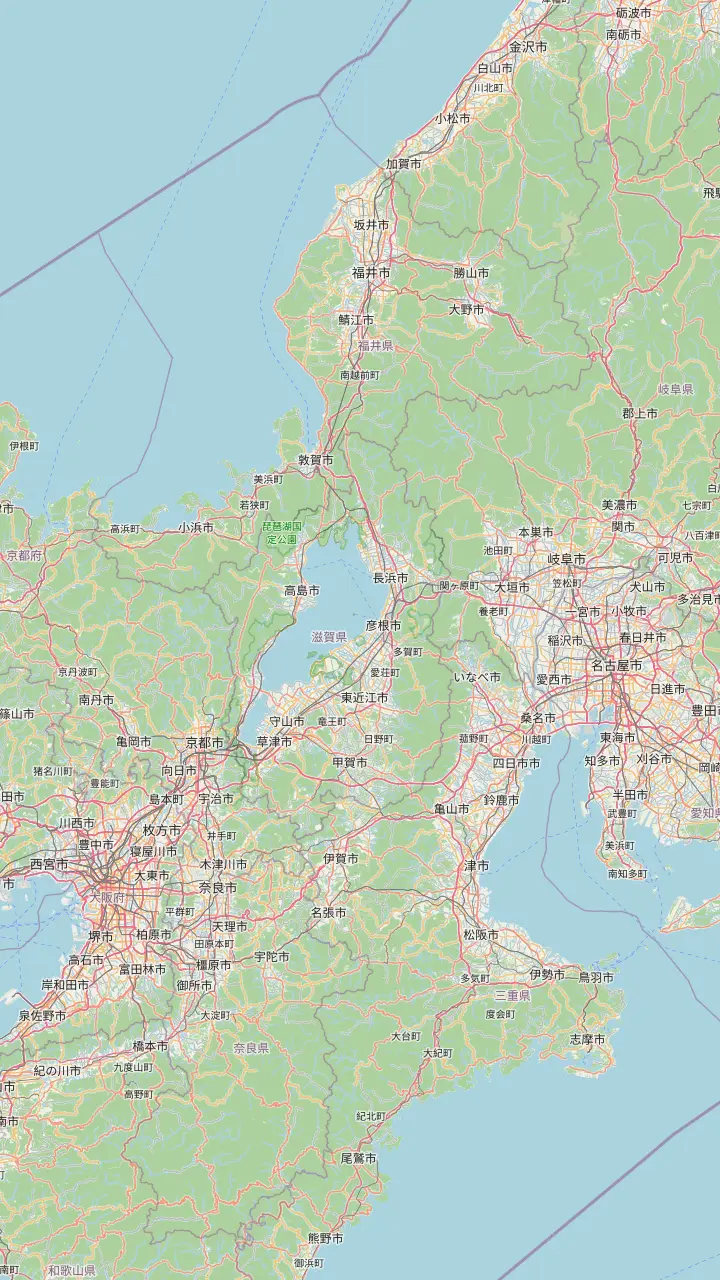
The Sakai Traditional Crafts Museum is closed on 3rd Tuesdays and from December 29 to January 3.
Google MapsYou can look inside the museum and factory for free; classes need advance reservation.
Google MapsA Seki swordsmith demonstrates sword forging once a month on an open day.
Google Maps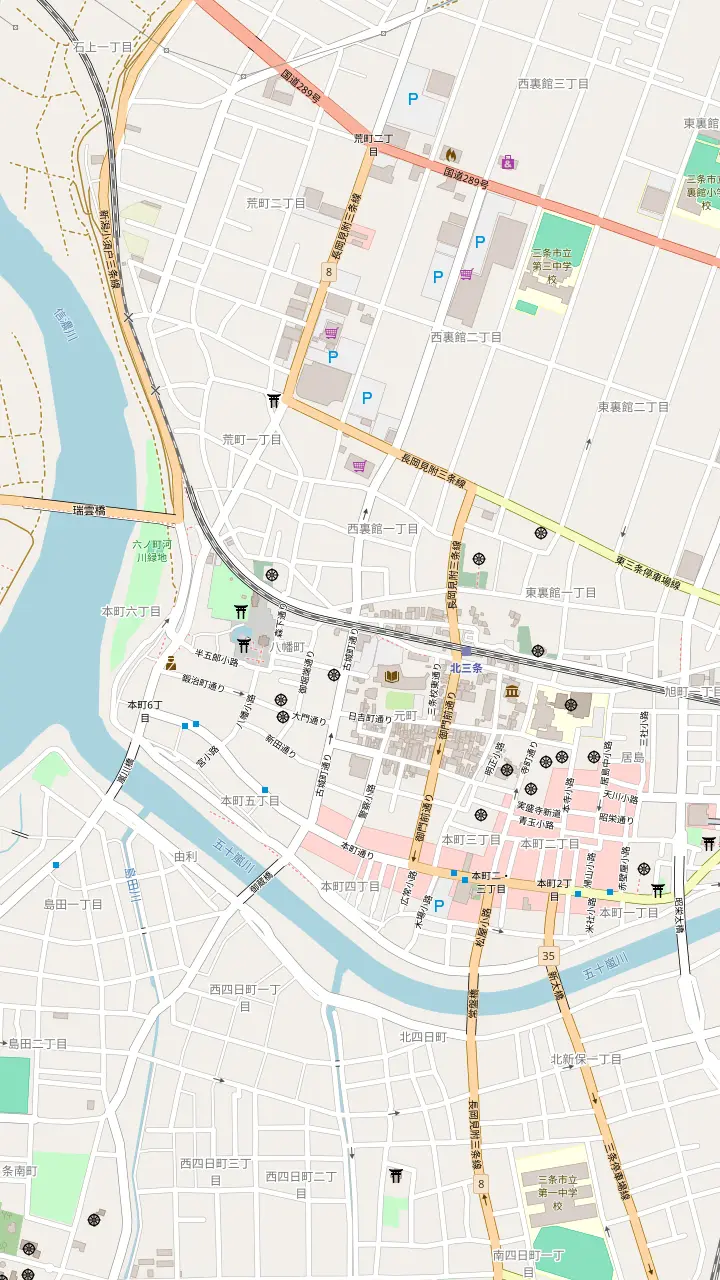
The dojo stands at 11-53 Motomachi in Sanjo, Niigata.
Google Maps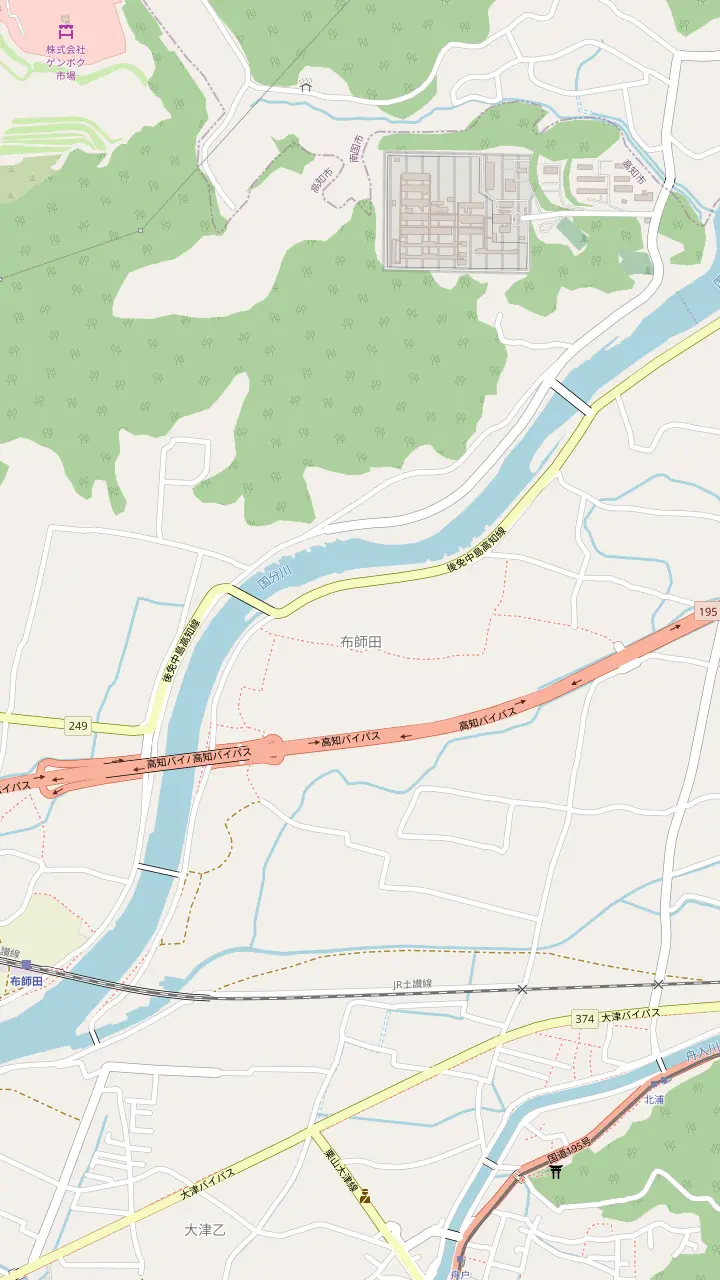
The center for Tosa forged blades is at 3992 Nunoshida, Kochi.
Google MapsMap data by © OpenStreetMap contributors
Tourists can reclaim consumption tax on knives, but the system changed on November 1, 2026. The Japan Tourism Agency says that for purchases made on or after November 1, 2026, Japan moved to a refund method: you pay the tax-inclusive price at the shop, and an amount equal to the consumption tax is refunded once customs confirms at departure that the goods are leaving the country.4 Older advice that you pay the tax-free price at the till no longer applies to new purchases.
The rules have limits. Purchases must total JPY 5,000 or more before tax per day at the same store.5 Customs confirmation must be done within 90 days from the purchase date, by presenting your passport at a tax-free procedure terminal at the airport or seaport.14 Keep your passport and receipts with you when you shop, and ask the shop whether it is a tax-free shop before you queue.
The detail that catches knife buyers is the order of events. The agency says you must have all purchased tax-free goods in your possession when you present your passport at the terminal, so the procedure cannot be completed after your baggage is checked in.13 That is awkward for a blade you want in the hold. Plan to visit the terminal first with the knife in your hands, then walk to check-in and pack it with the rest of the luggage.
Video
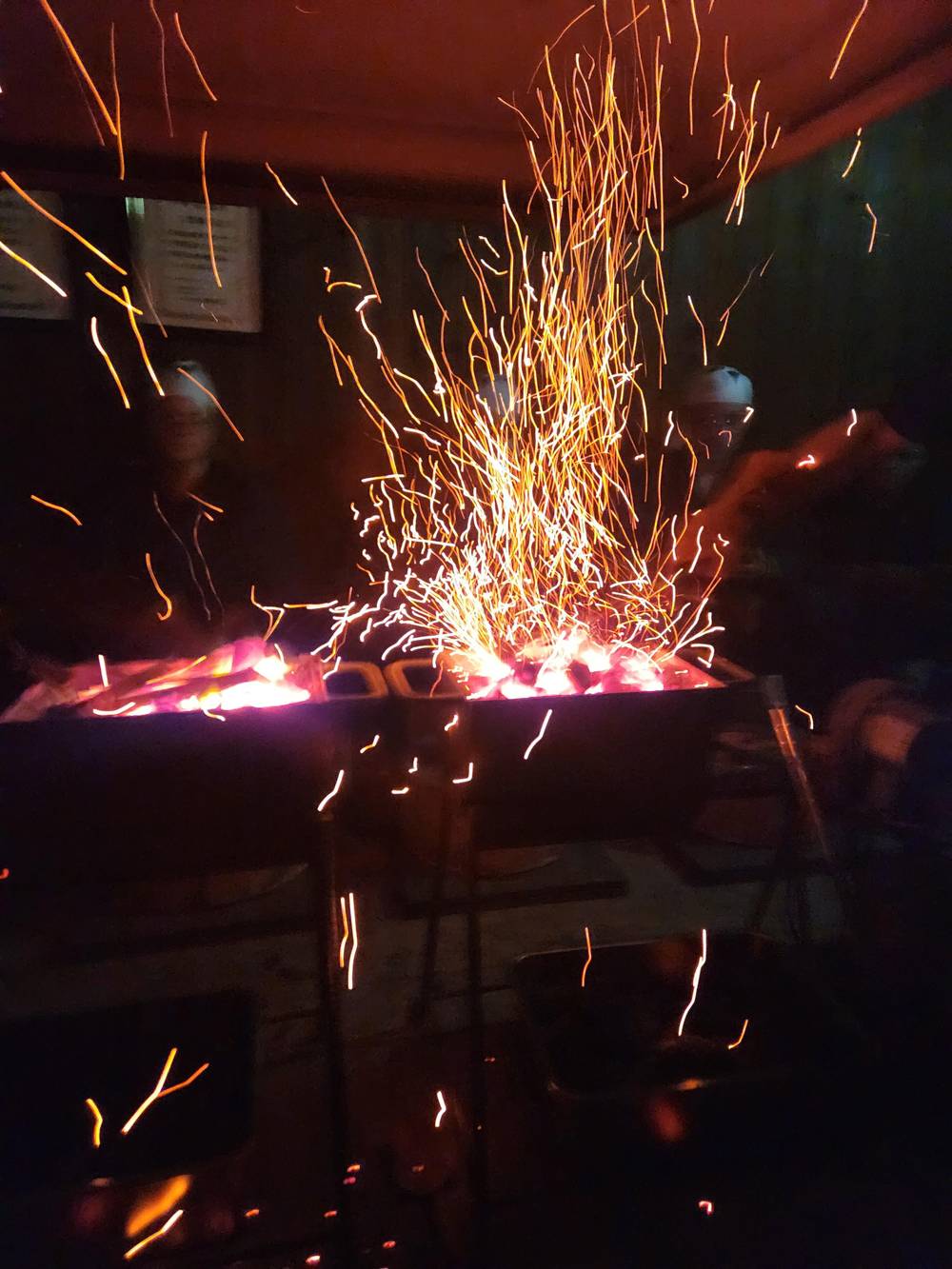
Zenknife on YouTube · The video waits until you tap play to load.
We strive to provide our customers with long-lasting use of our knives through repairs such as sharpening.
Before you shop
People often ask whether it is true that Japanese knives are worth it. The makers' answer is yes, if you maintain them. Masamoto Sohonten says its knives of high grade carbon steel are easy to sharpen and can be used for many years when maintained and sharpened properly.33 Shun says proper care lets a good Japanese knife perform reliably for many years.34 Both are statements about their own knives, so read them as makers' claims, not as independent tests.
Worth also depends on who will use the knife. Care decides the outcome, and Shun, for one, recommends against the dishwasher.35 A visitor who wants a souvenir that is also a tool will probably be happy with a modest, well-made knife. If you want to understand your knife better, a class turns the same budget into knowledge, and the knife you make is a souvenir with a story attached to it.
If you cannot decide, split the choice. Buy a knife at Nishiki or another shop you trust, and spend an afternoon making a small one yourself. The shop knife teaches you what a finished blade should feel like, while the class knife teaches you what went into it. The next pages of this guide, on sharpening and storage, will then make more sense, and both knives will last longer for it.
Many shops will mark a knife with your name. Masamoto Sohonten engraves a name in Kanji or Katakana on purchased products, though not on every product, so ask before you pay.18 In the Kyoto classes, the handle-fitting session lets you ask in advance for engraved letters, and a Tokyo and Osaka workshop engraves a sakura leaf or your name in Japanese on the handle. An engraved knife makes a personal gift, so plan the lettering before you reach the counter.
Getting the knife home is the last step. ANA bars all blades from the cabin, naming knives among them, and states that carrying one on board violates the Civil Aeronautics Act, which can mean up to 2 years in prison.6,36 Kansai International Airport asks passengers to check in knives at the counter as checked baggage, and warns that a knife found at screening will have to be surrendered.7,37
The US Transportation Security Administration asks that sharp objects in checked bags be sheathed or securely wrapped.32 A workshop listing also asks guests to put the supplied knife box in the checked luggage, or to have the knife shipped. Put those together and the plan is simple: tax-free confirmation first, sheath or box next, hold bag last. Keep the receipt with the passport, and the knife in the hold.
FAQ
Its Aritsugu shop sells knives, pots and utensils made by hand, and traces its history to 1560.2
The market has no closing day as a whole, so each shop sets its own.3
You present your passport at a tax-free procedure terminal on departure.14
Masamoto Sohonten engraves names in Kanji or Katakana on purchased products, though not on all products.18
A class starts from $61, while the forging class we list starts from $152.
Sources
Further reading
Wondering which Kyoto knife class suits you? A real person answers here.